Best cameras for wildlife and birds in 2026
Updated 2026-11-01 · 2 min read · prices update with every price check
Wildlife photography asks three things of a camera: autofocus that finds an eye on a bird in a branch, a fast burst so you catch the wing up, and reach. Reach is where most of the money goes, and it is why a smaller sensor is often the smarter pick here: the crop makes every lens behave like a longer one.
Our picks
- 4
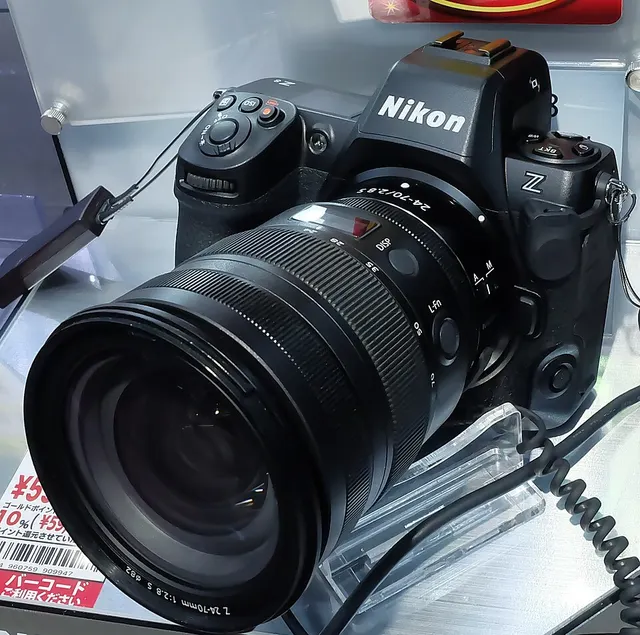
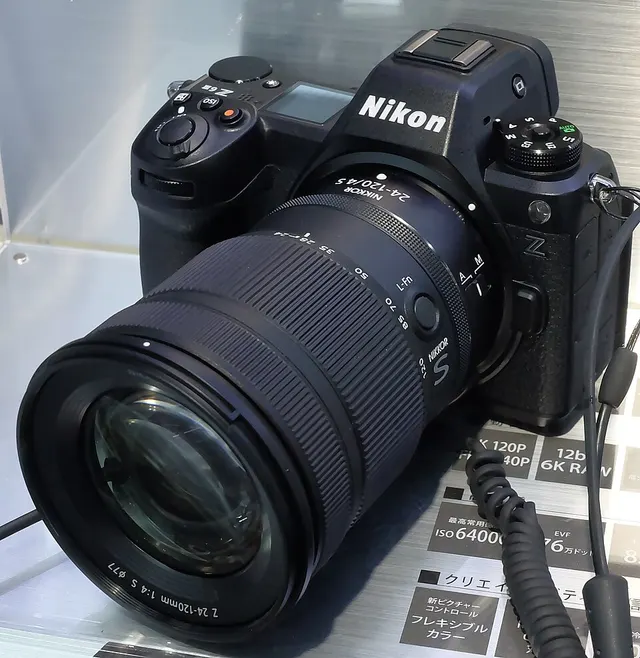 Nikon Z6III
Full frame · 24.5 MP · 4K 120p · 760 g
UK £1,889 · EU €1,999.98 · AU A$3,314.09 · SG S$2,648
- 6
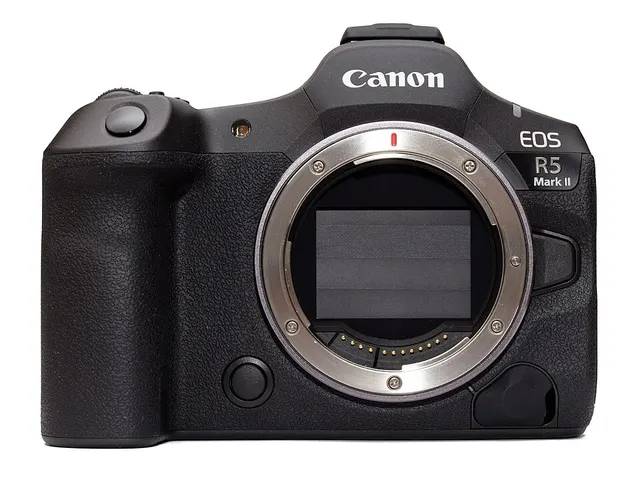 Canon EOS R5 Mark II
Full frame · 45 MP · 4K 120p · 746 g
UK £2,599 · EU €2,990 used · AU A$5,499.95 · SG S$5,002
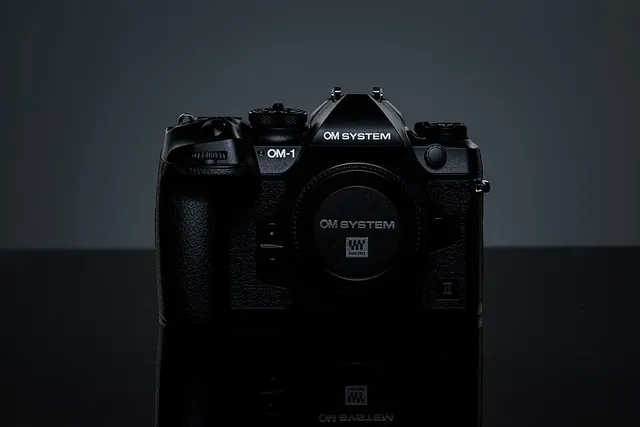

- Best for reach: OM System OM-1 Mark II. Micro Four Thirds doubles a lens's effective focal length, so a 100–400mm reaches like an 800mm on full frame, in a weather-sealed body with bird detection.
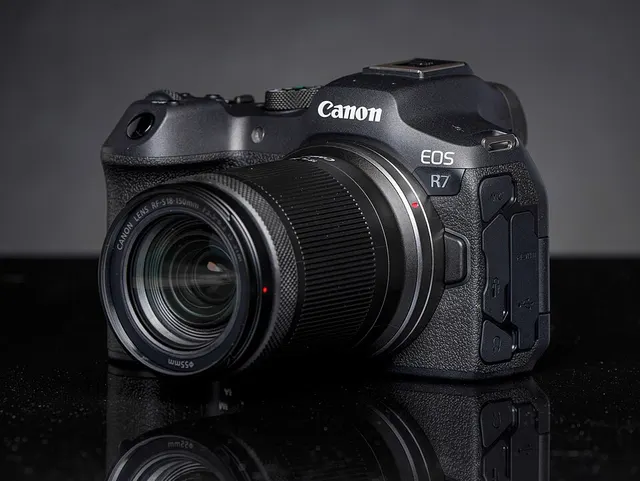
- Best APS-C for birds: Canon EOS R7. A 1.6× crop, in-body stabilisation and Canon's animal-eye autofocus, with the cheap RF 100–400mm as a light first long lens.
- Best small body: Sony a6700. APS-C with Sony's subject recognition for birds and animals, and access to the widest range of third-party long lenses.
- Best value full frame: Nikon Z6 III. Full frame's low-light advantage for dawn and dusk, with fast autofocus for the price.
- Best for serious birders: Nikon Z8. A stacked full-frame sensor with no mechanical shutter blackout, the flagship Z9's autofocus in a smaller body.
- Best high resolution: Canon EOS R5 Mark II. Enough pixels to crop hard when the bird is small in the frame.
The specs that matter for wildlife
| Model | Sensor size | Resolution | In-body stabilisation | Weight (with battery) | Weather sealed | US new today |
|---|---|---|---|---|---|---|
| OM System OM-1 Mark II | Micro Four Thirds | 20.4 MP | Yes, 8.5 stops | 599 g | Yes | $1,749 |
| Canon EOS R7 | APS-C | 32.5 MP | Yes, 8 stops | 612 g | Yes | $1,549 |
| Sony α6700 | APS-C | 26 MP | Yes, 5 stops | 493 g | Yes | $1,328 |
| Nikon Z6III | Full frame | 24.5 MP | Yes, 8 stops | 760 g | Yes | $1,996.95 |
| Nikon Z8 | Full frame | 45.7 MP | Yes, 6 stops | 910 g | Yes | $3,196.95 |
| Canon EOS R5 Mark II | Full frame | 45 MP | Yes, 8.5 stops | 746 g | Yes | $3,999 |
The long lens matters more than the body
Budget at least as much for the lens as for the camera. Popular long zooms for each system, with today's lowest new US price:
- Canon RF: RF 100–400mm f/5.6–8 ($629) and RF 200–800mm ($1,949.99)
- Sony E: FE 200–600mm G ($1,977) and Tamron 150–500mm ($1,141)
- Nikon Z: Z 180–600mm ($2,096.95)
- Micro Four Thirds: M.Zuiko 100–400mm II ($1,499.99)
- Fujifilm X: XF 100–400mm ($1,999.95)
Long lenses hold their value, so a used one is often the best buy. See used vs new camera gear.
Crop or full frame?
A crop sensor gives you reach for free; full frame gives you cleaner pictures when the light goes, which for wildlife is the first and last hour of the day. If you mostly shoot small birds in daylight, crop wins. If you shoot mammals at dawn, full frame does. Our full frame vs APS-C guide explains the trade-off, and low-light performance explained covers the light side.
Prices on this page come from the stores we track and update with every price import; open a camera or lens to see every store and every market.