Are DSLRs still worth buying in 2026? Every DSLR with a new price today
Updated 2026-11-05 · 5 min read · prices update with every price check
Canon's last new DSLR was the EOS-1D X Mark III in January 2020 and Nikon's was the D6 in February 2020. Neither company has announced one since, both have said their development effort is in mirrorless, and the lens lines that fed DSLRs (Canon EF, Nikon F) have had almost no new lenses in five years. And yet stores still list new DSLRs, some at prices that look like a bargain beside a mirrorless body. So: is a DSLR worth buying in 2026? The honest answer is "a few of them, at the right price, for the right person", and this guide is the list with today's prices.
Every DSLR a US store sells new today
Cheapest first, with the number of stores stocking each one. These are live prices, read at every price check.
- 13
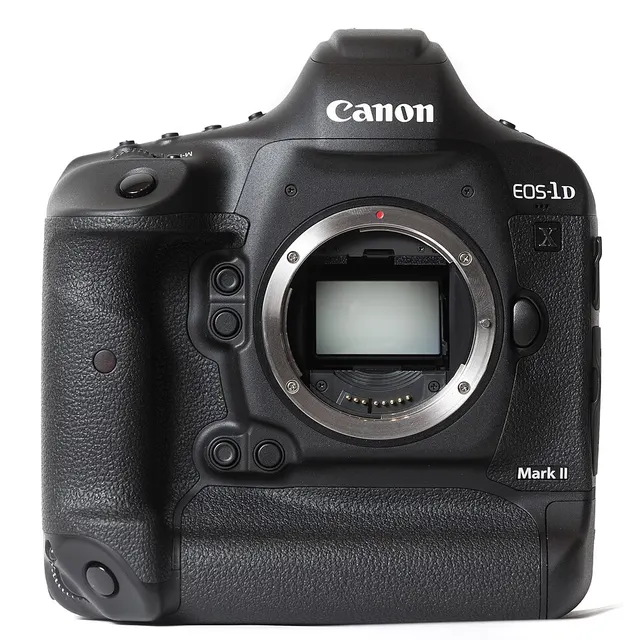 Canon EOS-1D X Mark II
Full frame · 20.2 MP · 4K 60p · 1,530 g
UK £852.75 used · EU €669 used · AU A$1,674.70 used
- 15
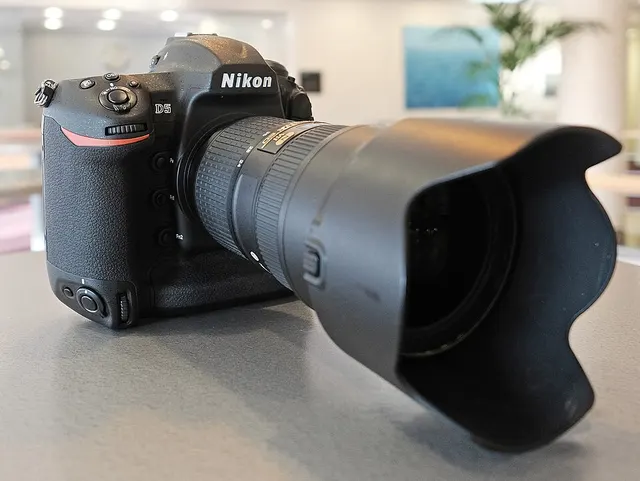 Nikon D5
Full frame · 20.8 MP · 4K 30p · 1,405 g
UK £914.90 used · EU €1,183.95 used · AU A$3,435 used
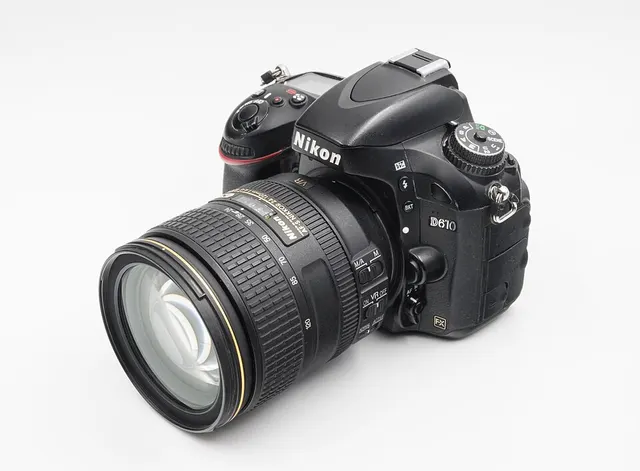
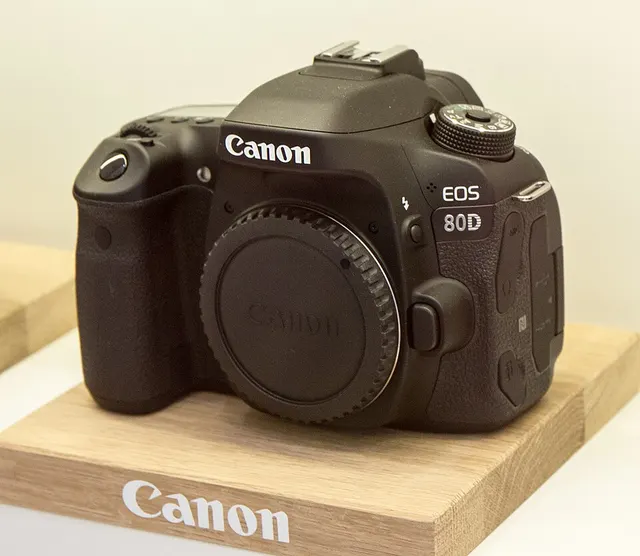
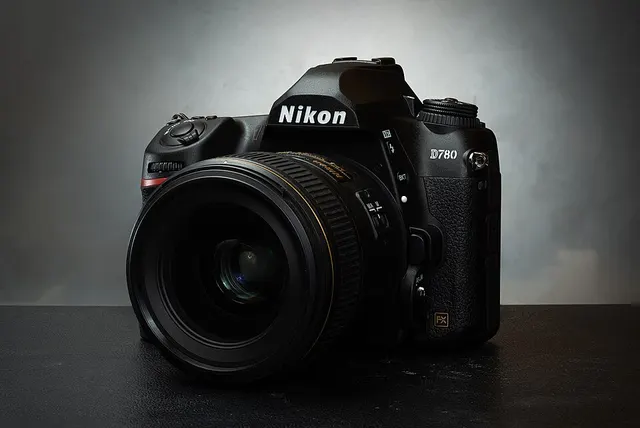
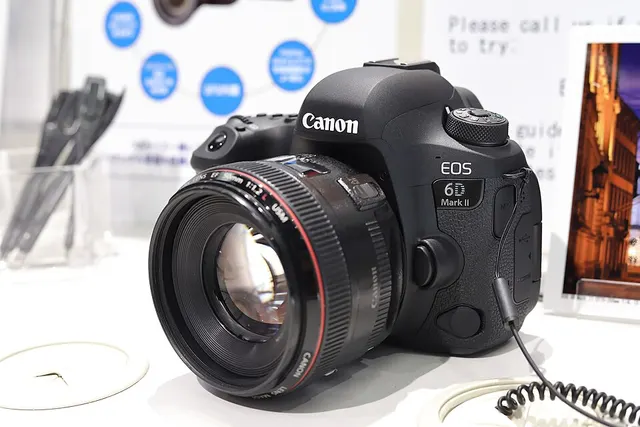
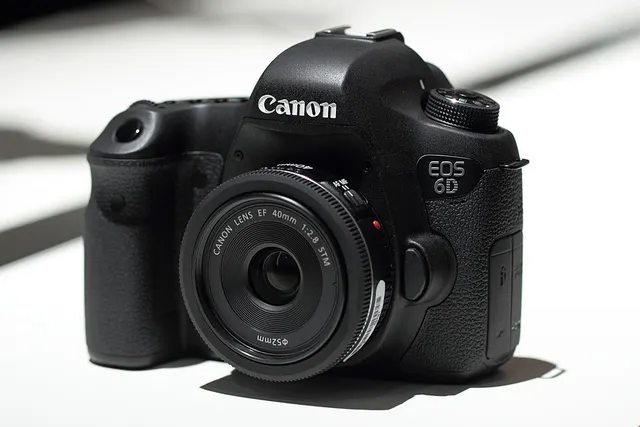

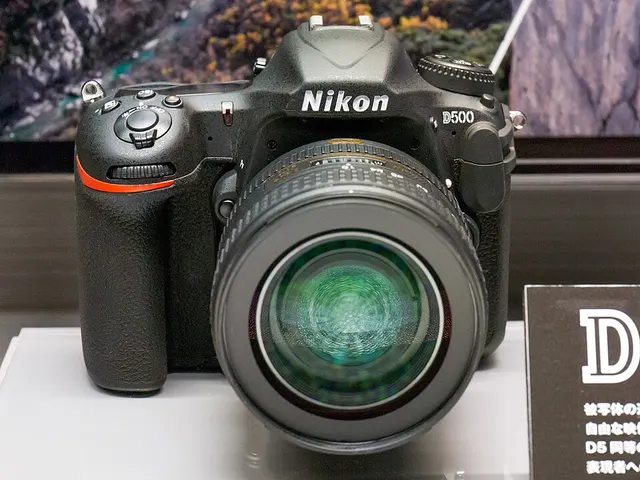
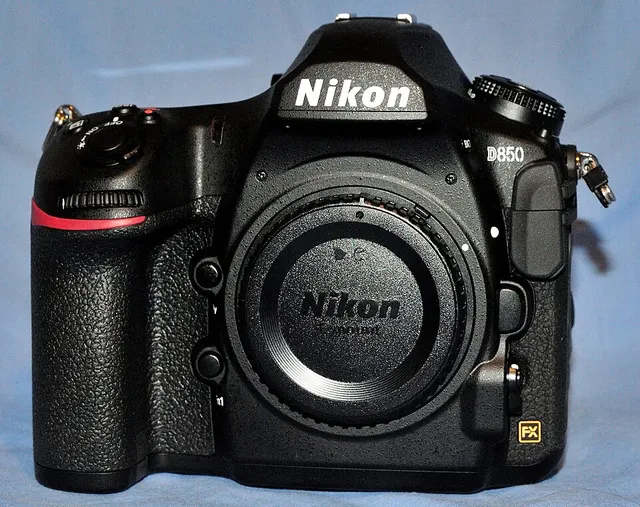
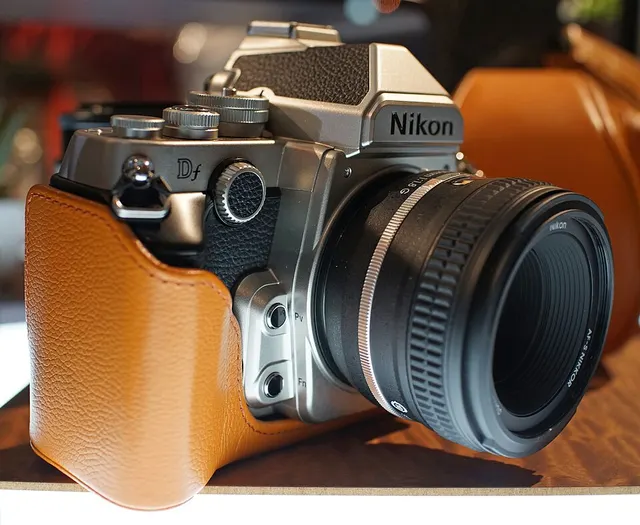
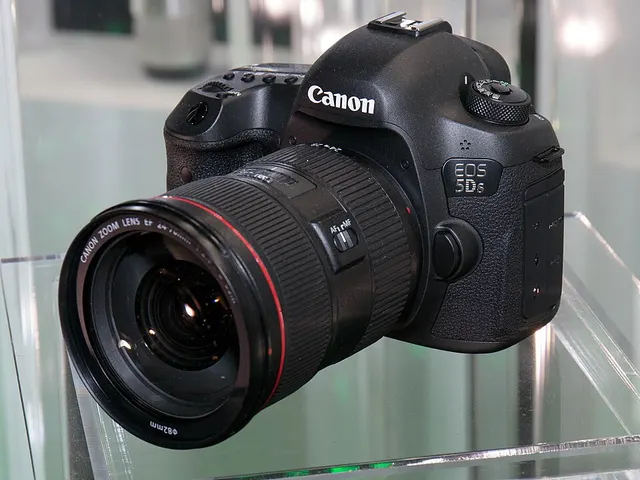
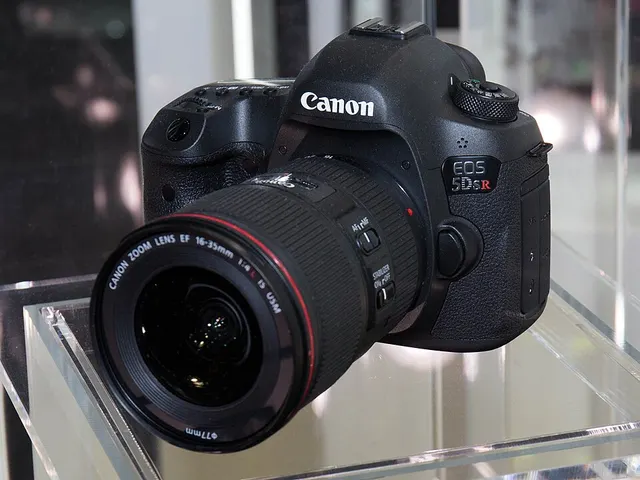
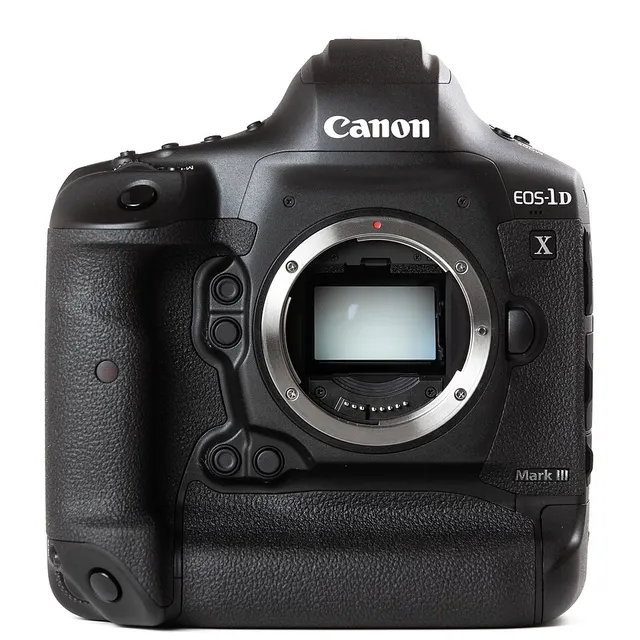
What that list shows is the state of the market. The entry-level models are gone or nearly gone (one store, no restock), the mid-range bodies sell at prices that have not moved in years, and the professional bodies are still listed at launch price because the people who buy them have a drawer of lenses and no reason to switch.
The DSLRs still worth buying new
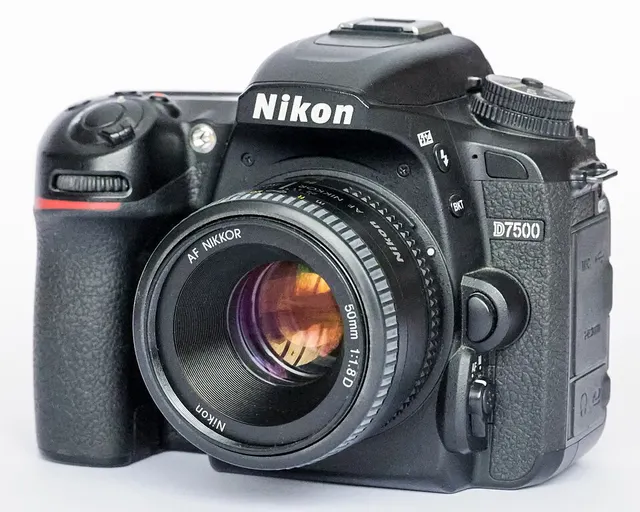
- Nikon D7500. A 20.9 MP APS-C body with a good viewfinder, weather sealing and Nikon's last-generation autofocus, at $696.95 today. Paired with a used 18–140mm or a 35mm f/1.8, it is the cheapest "real camera" kit a beginner can buy, and the F-mount has thirty years of used lenses behind it.
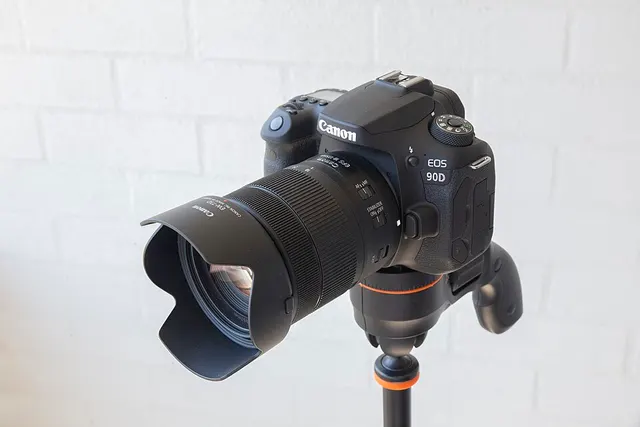
- Canon EOS 90D. 32.5 MP, 10 frames a second and Canon's Dual Pixel autofocus in live view, $950. The best DSLR for wildlife and sport on a budget, and EF lenses work on Canon's mirrorless bodies with an adapter, so nothing you buy for it is wasted.
- Nikon D780. The last full-frame DSLR designed as such: a 24.5 MP sensor, the Z6's live-view autofocus and 4K video, $1,490. For someone with F-mount glass who wants a modern sensor without changing systems.
- Canon EOS 5D Mark IV. 30.4 MP full-frame, the workhorse of a generation of wedding photographers, $1,799 new. It is the DSLR most often bought used instead, and the used price is the reason: see below.
- Nikon D850. 45.7 MP, still one of the best stills sensors ever put in a camera, $1,999.95. If you shoot landscapes or studio work and own Nikon lenses, nothing in the Z range beats it on image quality for the money.
Why you might still want one
- The viewfinder. An optical viewfinder has no lag, no battery drain and no refresh rate; some photographers never get on with an electronic one.
- The lenses. Used EF and F-mount lenses are the cheapest good glass in photography, because so many people are selling theirs to go mirrorless. A $300 70–200mm f/2.8 from 2010 is still a 70–200mm f/2.8.
- Battery life. A DSLR shoots a thousand frames on a charge; most mirrorless bodies manage a few hundred.
- The price of the body. Where a DSLR is discounted, the body is often half the price of the mirrorless camera with the same sensor.
Why you probably want mirrorless instead
- Autofocus. Subject detection (eyes, animals, vehicles) across the whole frame is the single biggest change in cameras in a decade, and no DSLR has it in the viewfinder.
- Video. Even the D780, the best DSLR for video, is behind an entry-level mirrorless body on autofocus and stabilisation.
- The future. No new DSLR lenses, no new DSLR bodies, and repair parts on a clock. A camera bought today should last ten years; a DSLR system will be a used-only market long before then.
- Size. An APS-C mirrorless body with a pancake lens fits a coat pocket. No DSLR does.
For the direct comparison, the best cameras under $1,000 lists the mirrorless bodies that compete with the D7500 and 90D on price, and the best full-frame camera under $2,000 covers the ones that replaced the 5D and D850.
New or used?
This is where the DSLR argument is really won. A new DSLR sells at a price set years ago; a used one sells at what the market thinks it is worth now, and the gap is wide because supply is high. Every camera page on this site shows the used price beside the new one; the used vs new guide explains how to read a used listing and buying used cameras covers what to check. Our rule of thumb: buy a DSLR new only if the new price is within about 20% of a clean used copy, which is true of the D7500 and 90D at some stores on some days and rarely true of the full-frame bodies.
Before you buy
- Check the shutter count on a used body; a DSLR shutter is rated for 150,000 to 400,000 actuations, and the count is in the file metadata.
- Add the adapter to your sum if you expect to go mirrorless later: Canon's EF-RF and Nikon's FTZ adapters keep every lens working.
- Compare the kit. Stores list DSLRs body-only and with one or two kit lenses; the comparison page shows each listing's title.