Leica APO-Summicron-SL 35 f/2 ASPH. vs Leica Summicron-SL 35 f/2 ASPH.
Every published spec side by side, with today's lowest prices for the market you've chosen.
Key differences
- Closest focus: 0.24 m on the Summicron-SL 35 f/2 ASPH., against 0.27 m on the APO-Summicron-SL 35 f/2 ASPH..
- Max magnification: 0.22× on the Summicron-SL 35 f/2 ASPH., against 0.20× on the APO-Summicron-SL 35 f/2 ASPH..
- Weight: 400 g on the Summicron-SL 35 f/2 ASPH., against 750 g on the APO-Summicron-SL 35 f/2 ASPH..
APO-Summicron-SL 35 f/2 ASPH. or Summicron-SL 35 f/2 ASPH.: which should you buy?
On published specs the APO-Summicron-SL 35 f/2 ASPH. leads the Summicron-SL 35 f/2 ASPH. nowhere; buy it for its price, its handling or the lenses you already own.
Choose the Summicron-SL 35 f/2 ASPH. for its closest focus, max magnification and weight.
On paper the Summicron-SL 35 f/2 ASPH. wins more rows (3 to 0); if the APO-Summicron-SL 35 f/2 ASPH.'s strengths are the ones you shoot with, and its price is lower where you buy, it can still be the better buy.
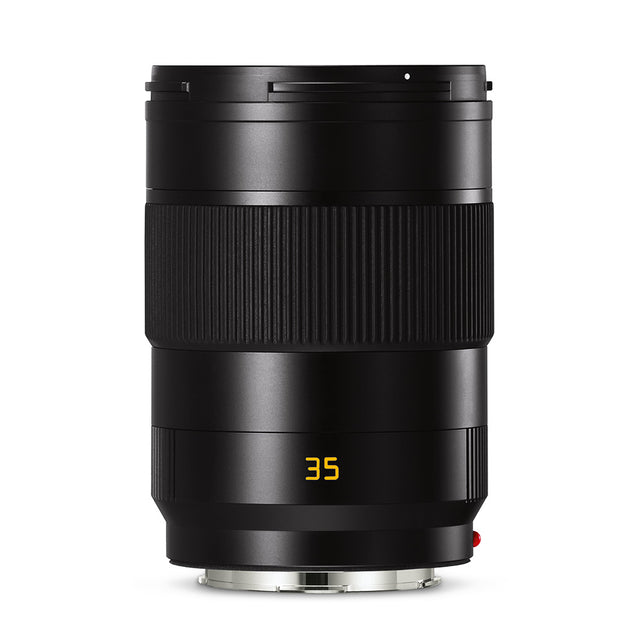 | 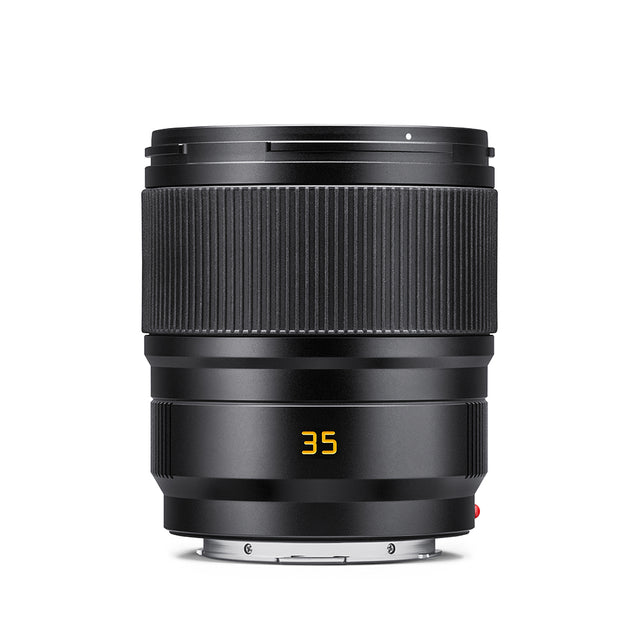 | |
|---|---|---|
| Lowest price today | $5,295 new $3,995 used | $2,395 new $1,695 used |
| Optics | ||
| Focal length | 35mm | 35mm |
| 35mm equivalent | 35mm (full frame) | 35mm (full frame) |
| Maximum apertureLower f-number lets in more light. A zoom wins only when it is as bright at both ends. | f/2 | f/2 |
| Minimum aperture | f/22 | f/22 |
| Made for | Full frame | Full frame |
| Elements / groups | 13 / 11 | 11 / 9 |
| Aperture blades | — | — |
| Closest focus | 0.27 m | 0.24 m (best) |
| Max magnification | 0.20× | 0.22× (best) |
| Focus & handling | ||
| Autofocus | Yes (Dual Syncro Drive) | Yes (Linear direct drive) |
| Optical stabilisation | No | No |
| Weather sealed | Yes | Yes |
| Internal zoom | — | — |
| Aperture ring | No | No |
| Teleconverter compatible | No | No |
| Size & weight | ||
| Weight | 750 g | 400 g (best) |
| Diameter × length | 73 × 102 mm | 74.5 × 83 mm |
| Filter thread | 67 mm | 67 mm |
Green marks the better figure where “better” is unambiguous. A dash means the maker doesn't publish it or we haven't verified it yet.